Eton Avenue bulky rubbish collection Belsize Park advice
Posted on 10/08/2026
Eton Avenue bulky rubbish collection Belsize Park advice: a practical local guide
If you are dealing with a sofa that will not fit through the stairwell, a broken wardrobe, or a pile of old household clutter that has quietly grown legs, this guide is for you. Eton Avenue bulky rubbish collection Belsize Park advice is really about making a messy job feel manageable: knowing what counts as bulky waste, how to prepare items, what to avoid, and how to choose the right collection approach for a narrow London street and a busy day. You do not need drama. You need a plan.
This article walks through the practical side of bulky rubbish removal in Belsize Park, with local considerations for Eton Avenue, realistic step-by-step guidance, and a few hard-earned tips that save time, stress, and awkward lifting. Truth be told, most problems happen before the van even arrives.
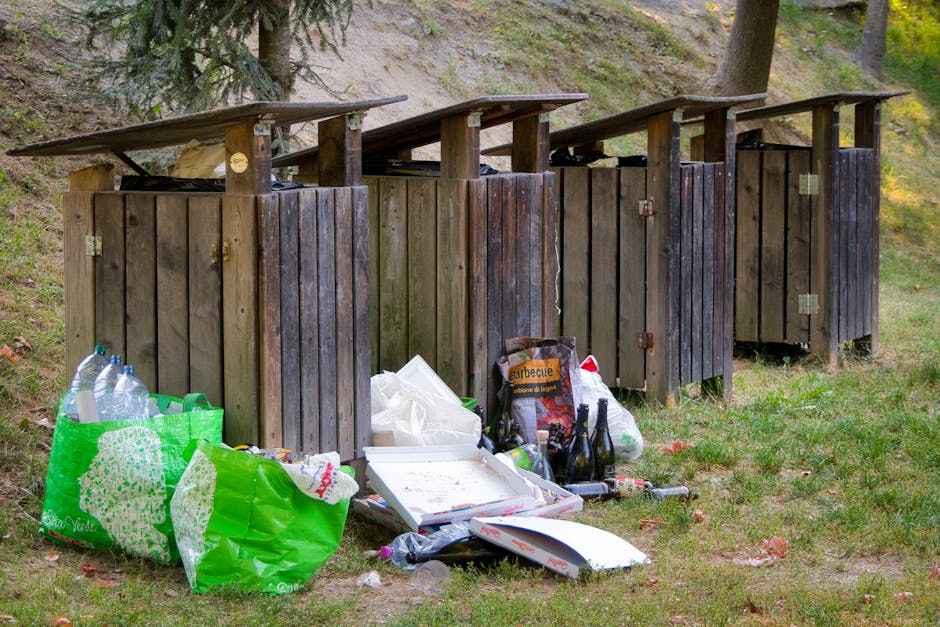
Why Eton Avenue bulky rubbish collection Belsize Park advice matters
Bulky rubbish is not the same as everyday bin waste. It is the awkward stuff: mattresses, wardrobes, shelving, dismantled desks, old exercise equipment, damaged chairs, and mixed household items that are too large or too heavy for normal collection. On a street like Eton Avenue, that distinction matters because access, parking, timing, and neighbour relations all become part of the job.
To be fair, bulky waste removal sounds simple until you actually try to shift a two-person sofa down a tight hallway while also protecting walls, floors, and your back. One wrong move and the task becomes a repair bill. Or a strained shoulder. Or both. Advice tailored to Belsize Park helps you think about the whole picture instead of just the item itself.
It also matters because local streets and properties often have practical constraints. Flats with shared entrances, basement conversions, and period buildings can make waste handling more complicated than people expect. If you are also weighing other property-related decisions, the area guides on buying property in Belsize Park and what it is like to live in Belsize Park give useful background on the local environment.
Key takeaway: the right bulky waste plan saves space, reduces hassle, and helps you avoid rushed decisions on collection day.
How Eton Avenue bulky rubbish collection Belsize Park advice works
The basic process is straightforward, but the details matter. First, you identify what needs removing. Then you separate bulky items from general rubbish, check whether anything can be reused or recycled, and decide how the collection will be carried out. In many cases, the most efficient route is a pre-booked waste collection that includes loading, transport, and disposal in one visit.
Here is the practical version. A resident might clear out a spare room after a renovation, discover three broken bookshelves and a chair with a spring poking out, and realise the items are too large for normal disposal. Rather than leaving them on the pavement or trying to dismantle everything with a blunt screwdriver at 8 p.m., they arrange a collection window, stack the items safely, and let the team handle the heavy lifting. Sensible, and much kinder on the nerves.
If the waste is from a home clearance, office tidy-up, or mixed job, it can help to look at related service pages such as house clearance in Belsize Park, office clearance support, or general waste removal in Belsize Park. Sometimes the best route is not one service, but a combination.
Good bulky rubbish collection should also include responsible sorting. Many items can be separated for material recovery, reuse, or recycling. That is not just a nice extra. It is part of modern best practice and usually the better outcome for everyone involved.
Key benefits and practical advantages
The biggest benefit is obvious: less clutter. But the real advantages go deeper than that. A tidy space is easier to clean, easier to sell, easier to rent, and easier to live in. If you have ever tried to move around a flat with a spare mattress leaning against the wall, you already know the feeling. It changes the whole room.
- Safer handling: professional collection reduces the risk of injury and property damage.
- Time saved: no repeated trips to a disposal point, no hunting for a borrowed van, no endless lifting.
- Better organisation: one planned removal often uncovers other items you had forgotten about.
- Cleaner finish: collection teams typically clear the space in a single visit rather than dragging the process out.
- Improved recycling outcomes: reusable and recyclable materials are easier to separate when the job is planned properly.
There is also a psychological benefit people underestimate. Clearing bulky waste creates momentum. A flat that has felt blocked for weeks suddenly opens up again. The hallway breathes. The spare room stops looking like a storage unit. Small win, big relief.
For some readers, that matters because they are preparing for a move or upgrade. If that is you, real estate investment considerations in Belsize Park can be useful context, especially when presentation and turnover speed are part of the decision.
Who this is for and when it makes sense
This kind of advice is useful for homeowners, tenants, landlords, estate managers, and small businesses. In practice, bulky rubbish collection is rarely a one-size-fits-all job. A family clearing out after years in the same flat will have very different needs from a landlord turning over a rental or an office replacing old desks.
It makes sense when:
- you have one or more items too large for standard waste bins;
- you need items removed quickly before a move, sale, or refurb;
- the waste includes mixed materials that need sorting;
- there is limited space in the property for storing unwanted items;
- you want a tidier, safer alternative to leaving things in a corridor or garden;
- you need help with heavier loads or awkward access.
It is also worth noting that bulky waste collection is often the right choice for partial clearances. You do not need a full property clearance every time. Sometimes it is just three items and a bit of strategic advice. And that is fine.
If your waste includes renovation debris or timber offcuts, the better fit may be builders waste disposal in Belsize Park. For garden furniture, planters, or hedge cuttings, garden waste removal in Belsize Park may be more suitable.
Step-by-step guidance
Here is a simple process you can actually follow without getting lost halfway through.
- List every item. Be specific. "Old stuff" is not a list. Note size, condition, and whether anything is fragile or sharp.
- Separate bulky items from ordinary rubbish. Loose bags, recycling, and general clutter should be grouped separately where possible.
- Check access. Measure doorways, stair turns, and any tight sections. A lot of stress disappears when you know the route in advance.
- Decide what can be reused or donated. A chipped table may be beyond saving. A solid chest of drawers, maybe not.
- Choose a collection method. Do you need a one-off bulky collection, a wider waste removal service, or a full clearance?
- Prepare the space. Move smaller items out of the way, protect floors if needed, and keep pathways clear.
- Confirm timing and access details. Make sure someone is available if the crew needs entry or instruction.
- Walk through the area after removal. Check that all agreed items are gone and that the route is clean.
A small but important tip: photograph items before the day if you are unsure how much needs removing. It sounds obvious, but people forget, then end up saying, "Oh, that corner pile too?" halfway through the job. Not ideal.
Expert tips for better results
Experience counts with bulky rubbish. A few practical habits make the whole process smoother.
- Group similar items together. Wood with wood, metal with metal, soft furnishings together. It speeds up sorting and loading.
- Dismantle only when it helps. Some furniture is easier to move assembled. Other items become manageable once legs or doors are removed. Use judgement.
- Keep screws and fittings in a small bag. If you are clearing in stages, this stops little bits from disappearing into the carpet forever.
- Protect communal areas. If your property has shared halls or stairs, a bit of care goes a long way. Neighbours notice these things.
- Think about recyclability before collection day. It is much easier to separate materials when you have not already piled everything into one corner.
Another practical point: if the job involves multiple service types, a combined approach may be more efficient. For example, a flat clearing after tenants leave may involve house clearance, while an office revamp may lean more toward office clearance. Choosing the right method up front saves back-and-forth later.
And yes, it is worth checking disposal and recycling preferences in advance. Nobody wants to discover, after the van has already left, that one item could have been separated more neatly. Bit of a faff otherwise.

Common mistakes to avoid
Most bulky waste headaches come from avoidable mistakes. The good news is that once you know them, they are easy to dodge.
- Leaving items in the wrong place. Do not block exits, shared landings, or pavement access with waste unless you are certain it is arranged and permitted.
- Mixing hazards with general waste. Sharp objects, glass, and anything leaking should be flagged clearly.
- Underestimating volume. A wardrobe looks small until it is on the stairs. Then it suddenly has opinions.
- Forgetting access issues. Parking, permits, narrow entrances, and lift restrictions can all affect timing.
- Assuming everything can go together. Some items need different handling because of material type or condition.
- Waiting until the last minute. Rushed collection planning almost always leads to stress and compromise.
One more thing: do not try to force a large item through a tight space just to save a few minutes. The scratch on the wall will be there longer than your impatience. Maybe longer than your lease, too.
Tools, resources and recommendations
You do not need much equipment for most bulky rubbish jobs, but a few simple tools help. Good gloves, packing tape, a marker pen, a trolley for smaller heavy items, and basic dust sheets can make a real difference. For dismantling furniture, use the right screwdriver or hex key rather than brute force. Brute force is overrated anyway.
Here are a few sensible recommendations:
- Use labels. Mark items you definitely want removed versus items you still need to check.
- Keep one central staging area. It avoids clutter spreading through the whole property.
- Sort as you go. Reuse, recycle, dispose. That order usually keeps things calmer.
- Review service information carefully. The broader services overview is a useful starting point if you are deciding between clearance and collection options.
- Check business policies if relevant. If you are booking on behalf of a landlord or company, pages like pricing and quotes and terms and conditions help set expectations before anything is booked.
For readers who care about responsible disposal, recycling and sustainability is worth a look. Bulky waste is not just about removing things. It is also about handling them properly once they leave your property.
Some people also like a reassuring overview of the team itself. The about us page can help build confidence if you are comparing providers, while insurance and safety matters if your building has tight access or valuable fixtures.
Law, compliance, standards and best practice
When bulky rubbish is involved, compliance is mostly about responsible handling, safe loading, and using a lawful disposal route. You do not need to become a waste law expert, thankfully, but you should expect any reputable service to follow sensible UK waste handling standards and to avoid fly-tipping, unsafe lifting, or careless sorting.
Best practice usually includes:
- keeping access routes safe and unobstructed;
- handling items in a way that avoids damage to shared areas;
- separating reusable and recyclable materials where practical;
- disposing of waste through proper facilities rather than informal dumping;
- being clear about what is included in the collection;
- checking whether any item needs special handling because of contamination, sharp edges, or mixed materials.
In a local setting like Eton Avenue, the practical side of compliance often comes down to common sense and clear communication. If a collection needs to happen near parking constraints or shared entrances, get the access details straight at the outset. A smooth job is usually a well-prepared job. Simple, but true.
For nearby context on how collections are handled around the wider area, you may also find rubbish collection in Belsize Park and the NW3 rubbish removal guide helpful.
Options, methods, and comparison table
There is more than one way to deal with bulky waste, and the right choice depends on volume, access, urgency, and how much lifting you want to do yourself.
| Option | Best for | Pros | Watch out for |
|---|---|---|---|
| Self-removal | Small items and people with a suitable vehicle | Direct control, flexible timing | Lifting strain, parking, multiple trips |
| Bulky item collection | Single items or a modest pile | Quick, practical, less lifting | Need to prepare items and access properly |
| Full waste removal | Mixed rubbish and larger clear-outs | Convenient, broader scope | May be more than you need for one or two items |
| House or office clearance | Whole rooms, properties, or workspaces | Most comprehensive option | Needs more planning and item sorting |
If you are on the fence, ask yourself one question: do I need to move a few large objects, or do I actually need the space reset? That answer usually points to the right route.
Case study or real-world example
Imagine a second-floor flat near Eton Avenue with an old sofa, a broken ottoman, two flat-pack wardrobes, and a tired desk that had become a sort of unofficial storage shelf. The resident had been avoiding the job for weeks because the hallway was narrow and the lift was not really built for bulky furniture. Fair enough. No one wakes up excited about dragging a wardrobe downstairs.
What worked well in this case was not brute strength. It was preparation. The items were grouped in advance, the small screws and fixings were bagged up, the access route was cleared, and fragile corners were padded. The collection itself was done in one visit, with the furniture loaded in a way that reduced the risk of damage to the entrance and communal stairs.
The result was more than just an empty room. The flat looked brighter the moment the largest items were gone. The resident could then decide whether to redecorate, list the room for rent, or simply enjoy having space to move again. Sometimes the value is as much about momentum as disposal.
If your situation feels similar, and you are balancing different types of waste, the broader service pages around waste removal or builders waste disposal may help you narrow down the right approach.
Practical checklist
Use this quick checklist before collection day.
- Identify every bulky item you want removed.
- Separate bulky items from loose rubbish and recycling.
- Check whether any item can be reused, donated, or recycled.
- Measure access points if the property has narrow halls or stairs.
- Clear pathways and protect delicate surfaces if needed.
- Confirm the collection time and any access instructions.
- Flag anything sharp, heavy, or awkward.
- Make sure someone is available if entry or sign-off is required.
- Do a final walkthrough after the job is complete.
- Keep paperwork or booking details until you are satisfied everything has gone as agreed.
Expert summary: the best bulky rubbish collection is rarely the one that starts with the biggest van. It is the one that starts with clear sorting, honest access planning, and a disposal route that respects the property and the material itself.
Conclusion
Eton Avenue bulky rubbish collection Belsize Park advice comes down to a few simple truths: know what you have, plan the access, separate what can be reused or recycled, and choose the collection method that fits the job instead of the other way around. That sounds plain, but plain is good. Plain gets things done.
For local homes, flats, landlords, and small businesses, the payoff is immediate: more space, less clutter, lower stress, and a cleaner sense of control over the property. And honestly, there is something satisfying about seeing a room again after weeks of stacked-up furniture. Little victory, but a real one.
Get a free quote today and see how much you can save.
When the clutter is finally gone, the space often feels bigger than it did on paper, and that is a pretty good feeling to end on.


Copyright © . House Clearance Belsize Park. All Rights Reserved.